Bunny Tracing Guided: A Friendly Display Font That Builds Brand Warmth
It was a Tuesday morning—coffee in hand, label printer humming—and I was staring at the third version of my new lavender-honey candle jar tag. The design felt *almost* right, but something was off. Not the color, not the illustration… it was the font. The playful handwritten style I’d used before looked charming on screen but turned muddy when printed small. Customers couldn’t easily read “Small Batch • Hand-Poured” at a glance. That’s when I remembered Bunny Tracing Guided—not as a kids’ font, but as a thoughtful display font with real business potential.
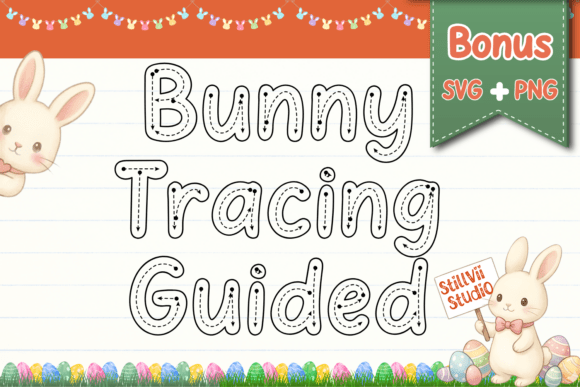
Bunny Tracing Guided is a cheerful, approachable display font designed with gentle dotted guides that echo early handwriting practice—but don’t mistake it for just a classroom tool. Its clean, rounded forms and consistent stroke weight give it warmth without sacrificing clarity. It feels handmade, but intentional. Friendly, but not childish. Whimsical, but still professional enough for a boutique skincare brand or a neighborhood café menu.
I started using Bunny Tracing Guided where first impressions matter most: product labels and packaging. On my candle jars, it now sits beautifully above the scent name—“Lavender & Honey”—in a size that reads clearly even on a 2-inch-wide tag. The open letterforms and generous spacing mean it holds up well on matte kraft paper, glossy stickers, and even embossed foil stamping. Because it’s a display font (not a body text font), it shines best in short, high-impact moments: logo lockups, shop signage, Instagram story headers, thank-you card titles, and seasonal sale banners.
What surprised me most was how much consistency it brought across touchpoints. I used Bunny Tracing Guided for the header on my printable tea menu at the café pop-up I help run, then matched it with the same font on the chalkboard-style digital ad for our weekend latte special. Same rhythm. Same friendliness. Suddenly, customers told me, “Your stuff always looks like *yours*.” That’s brand recognition—not from a flashy logo alone, but from thoughtful, repeated typography choices.
Readability was key in my decision. Bunny Tracing Guided isn’t meant for paragraphs or fine print—but it’s exceptionally legible at medium sizes (14–36 pt) across formats: printed packaging, mobile social posts, website hero banners, and even small product mockups. I tested it on a 3x4 inch sticker for my friend’s herbal tea sachets—it held up perfectly. No squinting. No confusion between “O” and “Q”. Just clear, joyful letterforms that invite attention, not resist it.
Pairing it was easier than I expected. For balance, I leaned into a clean, neutral sans serif—think a friendly humanist typeface like Lato or Montserrat—for supporting text, ingredients lists, or website body copy. That contrast—Bunny Tracing Guided for charm and personality, the sans serif for quiet reliability—created instant visual hierarchy. When designing holiday gift tags, I even layered it softly behind a delicate script font for names (“For Maya”)—Bunny Tracing Guided became the gentle anchor, while the script added personal flair.
As a small business owner, I also paid close attention to practical details before downloading. I checked that Bunny Tracing Guided includes OpenType features like stylistic alternates (great for avoiding repeat letters in short phrases), standard ligatures for smoother flow, and full commercial licensing—so I could use it confidently on physical products, client work, digital templates, and even merch I sell directly. It comes in both OTF and TTF formats, works smoothly in Canva, Adobe Creative Cloud, and Affinity apps, and supports basic Latin characters—perfect for English-language branding, packaging, and social content.
I’ve seen Bunny Tracing Guided elevate so many real small business materials: the soft pastel sticker on a local soap maker’s bar wrapper; the hand-drawn feel of a yoga studio’s workshop flyer; the cozy header on a baker’s weekly newsletter; the warm title treatment on a ceramicist’s online shop banner. In each case, it wasn’t about looking “cute”—it was about feeling *human*, *approachable*, and *thoughtfully made*. That matters more than ever when shoppers scroll fast and decide in seconds whether your brand feels worth their time—or their trust.
Typography isn’t just decoration. It’s tone of voice made visible. Bunny Tracing Guided says, “We care about how things feel—not just how they look.” It helps a café menu feel welcoming instead of clinical. Makes a skincare ingredient list feel honest instead of intimidating. Turns a simple thank-you card into a tiny moment of connection. And yes—it still works beautifully for tracing practice sheets (my niece loves them!), but its real superpower is helping small businesses build identity with authenticity and ease.
If you’re refreshing your brand visuals this season—whether it’s redesigning your Etsy shop banner, updating your farmers’ market tent sign, or printing new tote bags for your pottery studio—consider how a single, well-chosen display font like Bunny Tracing Guided can unify your look, reinforce your values, and quietly tell customers who you are—before they even read a word.
- Use Bunny Tracing Guided for logos, packaging titles, social media headers, and product labels
- Pair it with a clean sans serif for body text, pricing, or fine print
- Test readability at your smallest intended size—especially on labels and mobile thumbnails
- Always verify commercial licensing and file compatibility before use in client or product work
- Let it shine in short, meaningful phrases—not long paragraphs or dense instructions